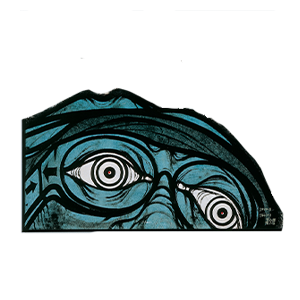
ANPO: Art X War examines art in the 1950s and 1960s responding to the Asia-Pacific War (1931-45) and the subsequent American occupation of Japan (1945-52)—two long events that cast dark shadows of fear and anxiety about the future of the islands after the country’s surrender and defeat in war, as well as from the experience of being subjugated to military control over civil society. Hoaglund’s film courageously faces the atrocities and personal stories from a political point of view that foregrounds images and monologues by the different artists and that arises from the works of art themselves without erasing or circumventing the harsh realities they discuss and display. The film starts with the images of the events of May-June 1960 related to the civil upheaval concerning the government’s attempt to uncritically continue the Treaty of Mutual Cooperation and Security between the United States and Japan (ANPO in Japanese). The public’s rage and anger against the police, government, and prime minister Kishi Nobusuke (grandfather of Japan’s current prime minister Abe Shinzō) escalated into huge-scale demonstrations that flooded the country and are engraved in Japanese public memory as a peak of political tensions between the government and citizens. The art produced before and after these events, and their massive impact on individual creators, is at the heart of the film. The ANPO demonstrations were also the embarking point of the avant-garde movement in Japan during the 1960s, with many art groups, film directors, extreme theatre groups, and dance companies taking their inspiration from this unique moment of protest.
Hoaglund highlights a plethora of works of art and memorable, emotional interviews with the artists and creators who share their personal experience of that time and comment on how the turmoil influenced and shaped their approach to art. This is an insightful exploration into one of the toughest moments in Japan’s postwar history through memories of the war period and the American occupation, which became moments of crisis, frustration, and repressed feelings of loss that found their outlet through the ANPO demonstrations of 1960. Hoaglund did a thorough job in researching and pointing out the most significant figures in the art world—including painters, sculptors, photographers, and filmmakers—to testify about the events and elaborate the importance of these events, and through the film Hoaglund shows how these artists have influenced the course of contemporary Japanese art from that point onward.
 ANPO: Art X War